The
Battle of Ankara or
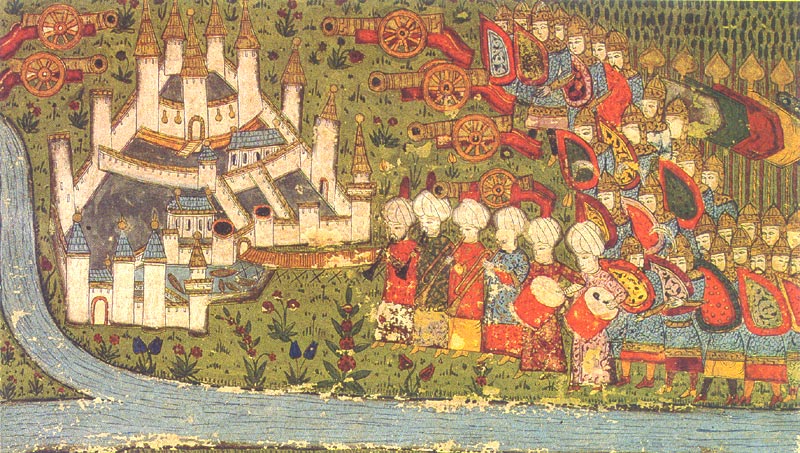
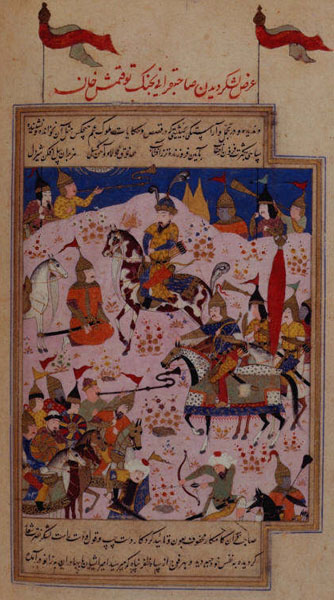
Battle of Angora, fought on 20 July 1402,
[15] took place at the field of
Çubuk (near
Ankara) between the forces of the Ottoman Sultan
Bayezid I and
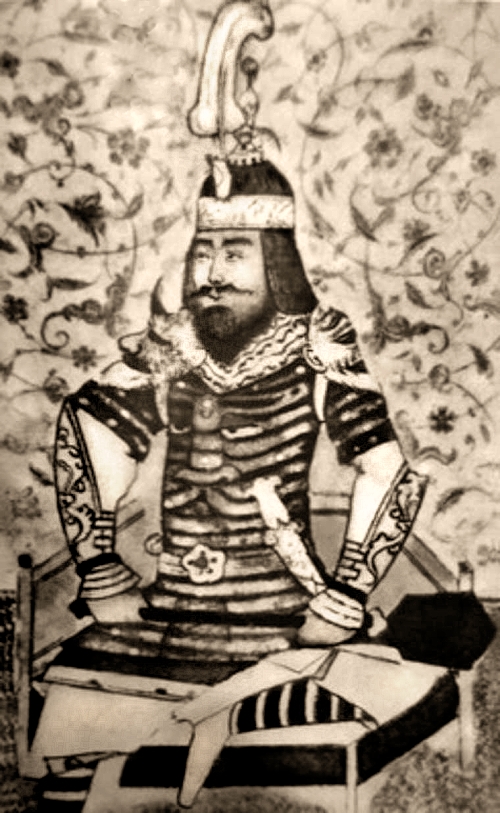
Timur, ruler of the
Timurid Empire. The battle was a major victory for Timur, and it led to a period of crisis for the Ottoman Empire (the
Ottoman Interregnum).
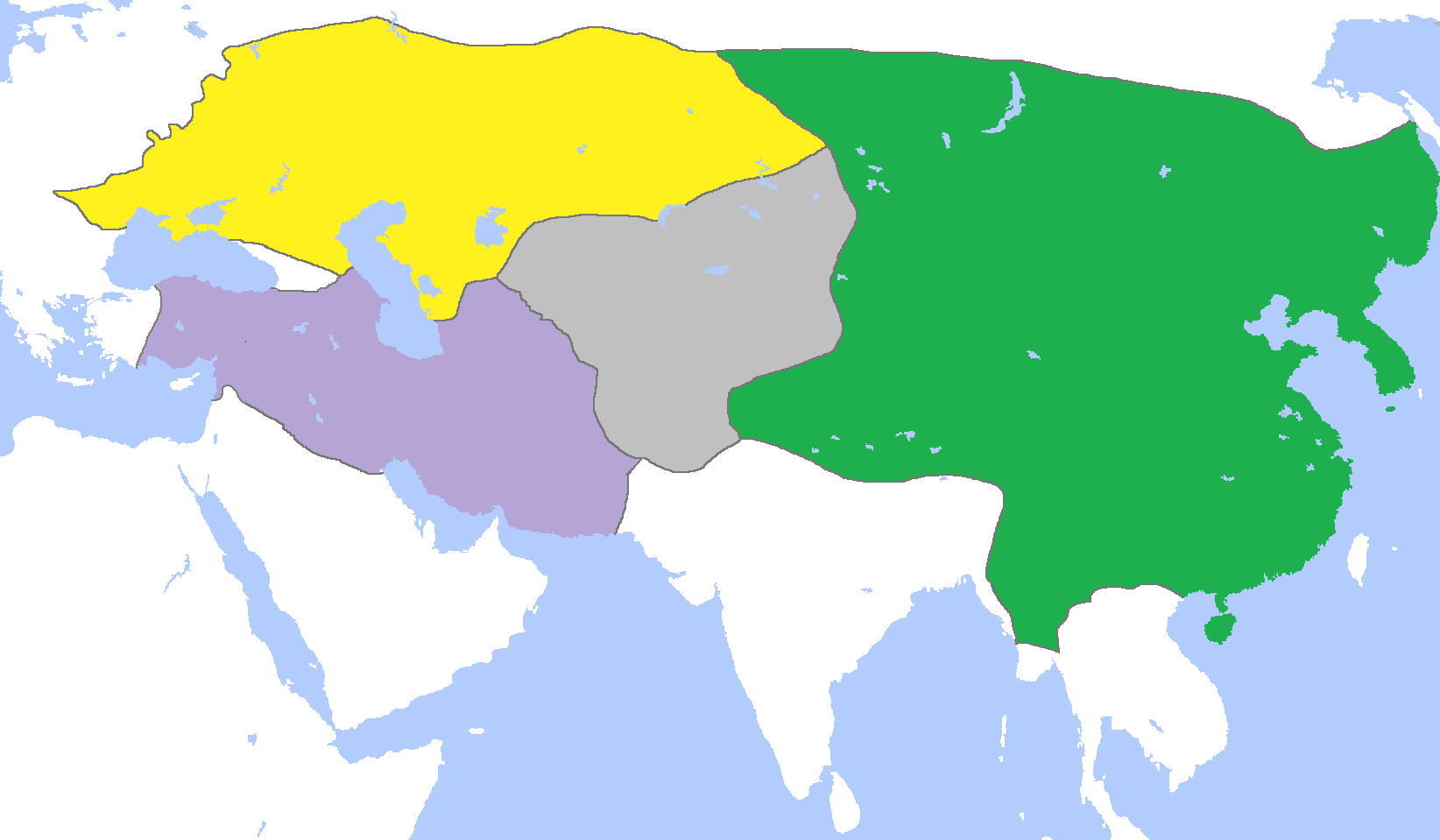
Timur was one of the most powerful Central Asian rulers since Genghis Khan. By long and relentless fighting, he sought to rebuild the Mongol Empire of his predecessors.[16][17]
Timur had conquered
Georgia and
Azerbaijan
in 1390 and Syria in 1399 after defeating the Mamluks, expanding his
empire to the borders of the Ottoman Empire. The two powers soon came
into direct conflict. Bayezid demanded tribute from one of the
Anatolian Beyliks who had pledged loyalty to Timur and threatened to invade.
[13]
Timur interpreted this action as an insult to himself and in 1400 sacked the Ottoman city of Sebaste (modern
Sivas).
[13]
In 1402, the Ottomans campaigned in Europe, trying to conquer Hungary.
Timur found it as a proper moment to attack and destroy the Ottoman
Empire.
Bayezid was stung into furious action and when Timur invaded
Anatolia
from the east, hurried back from Europe in order to confront fast
moving Timur somewhere in the west of Turkey. Timur, whose whole army
was mounted, took a u-turn moving fast through Anatolia, slaughtering
Ottoman conscripts, taking away horses, destroying Ottoman cities and
towns in his path.
[18]
The conflict, overall, was the culmination of years of insulting letters exchanged between Timur and Bayezid.
During the battle the main water supply of both armies, Çubuk creek, was diverted to an off-stream reservoir near the town of
Çubuk
by Timur, which left the Ottoman army with no water. The final battle
took place at Catal hill, dominating the Çubuk valley. The Ottoman army,
both thirsty and tired, was defeated, though Bayezid managed to escape
to the nearby mountains with a few hundred horsemen. However, Timur had
the mountains surrounded and, heavily outnumbering Bayezid, soon
captured him. He died in captivity three months later.
[14]
Already heavily outnumbered, the Ottoman army was further weakened by the desertion of the Black Tatars and the Sipahis from the Anatolian beyliks, who left Bayezid's side and joined Timur's forces.
A case of Mongoloid Men recognizing their true bloodbrothers and joining them in the battle against the originally Turkic Mongoloid Pureblooded Royalty of the Ottoman Empire which had been bastardized by the female caucasoid Valide Sultans, making them forget their true origins which in the end led to whitewashed portraits of Osman the First and his sons and grandsons centuries later. This could be seen as a prelude to the later Jelali Revolts.
Black Tatars:
Their name (meaning "black") may ultimately derive from the
Keraites,
a Turco-Mongol polity in 11th-century Central Asia absorbed into the
Mongol Empire and participating in the Mongol invasions of the 13th
century, but may also be connected to those of various other Central
Asian groups.
[6]
Since "Black" (
qara) is a Turkic designation for "north" it was a frequently used tribal identifier among the early
Turkic peoples, and there are numerous
Kipchak groups known by this adjective. The earliest mention of these are the "Black Tatars" (
Chinese:
黑韃靼), a subdivision of the
Rouran Khaganate in
Tang sources.Meanwhile, at the western end of the steppe more "black Tatars" were the Tatar troops serving the
First Bulgarian Empire[7]
Sipahi:
The term refers to all freeborn Ottoman Turkish mounted troops other than akıncı
and tribal horsemen in the Ottoman army. The word was used almost
synonymously with cavalry. The sipahis formed two distinct types of
cavalry: feudal-like, provincial timarlı sipahi (timariots) which consisted most of the Ottoman army, and salaried, regular kapıkulu sipahi (sipahi of the Porte), which constituted the cavalry part of the Ottoman household troops.
The provincial governors, or beys, were rotated every few years, preventing land inheritance. The provinces, or sanjaks, were not all equal since Anatolia and the Balkans were mostly ruled by Turks, while other areas of the empire were more flexible, adhering, somewhat, to local traditions.
The entwinement of land, military, politics, economics and religion was a way of life. The
timar
system, where the sultan owned all land but individual plots of land,
came with residential rights. The Ottoman people had rights to the land
but the
sipahi, a unique kind of military aristocracy and cavalry
portion of the military, also lived on the land with the farmers (90%
of the population) and collected tax revenues, usually in-kind, to
subsidize the costs of training and equipping the small army, dedicated
to serving the sultan. The
sipahi did not inherit anything,
preventing power centres from growing and threatening the supreme power
structure. The locals on the timar used the land and all it produced.
The "Timarli Sipahi" or "timariot" (
tımarlı) was the holder of a
fief of land (
تيمار tîmâr) granted directly by the Ottoman sultan or with his official permission by
beylerbeys.
He was entitled to all of the income from that land, in return for
military service. The peasants on the land were subsequently attached
thereto. Timarli Sipahis' status resembled that of the
knights of
medieval Europe.
Unlike medieval knights, they were not legally owners of their fiefs.
The right to govern and collect taxes in a timar fief was merely given
to a Timarli Sipahi by the Ottoman State. And in return, tımarli sipahis
were responsible for security of the people in their timar, enlisting
and training
cebelu soldiers for the army.
A
timar was the smallest unit of land held by a Sipahi, providing a yearly revenue of no more than 20,000
akçe, which was between two and four times what a teacher earned. A
ziamet (زعامت) was a larger unit of land, yielding up to 100,000 akçe, and was owned by Sipahis of officer rank. A
has (خاص)
was the largest unit of land, giving revenues of more than 100,000
akçe, and was only held by the highest-ranking members of the military. A
tîmâr Sipahi was obliged to provide the army with up to five armed retainers (
cebelu), a
ziamet Sipahi with up to twenty, and a
has Sipahi with far more than twenty. The
cebelu (meaning "armed, armored") were expected to be mounted and fully equipped as the
sipahi themselves; they were usually sons, brothers or nephews and their position was probably more similar to
squires than men-at-arms.
The sipahi were traditionally recruited among Turkic landowners, and thus, the non-Turkic provinces such as Arabia and Maghreb did not have sipahi. Recruitment of non-Turkic sipahi was banned with a 1635 ferman (decree). In contrast to the Janissaries,
Timarli Sipahis from that time onwards were Turks . A rivalry
between Jannisaries, who controlled the central bureaucracy of the
empire and had a lot of political influence, and sipahis, who controlled
the provincial bureaucracy and had the power of the army, prevented
them from cooperating against the House of Osman.
'In the 15th and 16th centuries most of the Timarli Sipahis in the Balkan area
were of kul ('slave' to the Sultan) origin. Among Muslim Turks in the Balkan area, those who
volunteered and gained honours in battle, and the followers of frontier
lords ('ucbeylerinin yandaslari') could get a timar ('fief'). Statistics
of Albania region of the year 1431 show that %16 of the sipahi were
former Christian nobles, 30% were Anatolian Turks, 50% were slaves of
the Sultan or other Beys(meaning mostly ethnic Turkmen who were direct subjects/slaves to the Sultan and ruled the Beyliks). Remaining 4% of the timars belonged to
Kadis, 'Piskopos' (Orthodox Bishops) and palace favourites. Later, the
ratio of sipahis with Turkish origin in the Balkans slowly declined.'

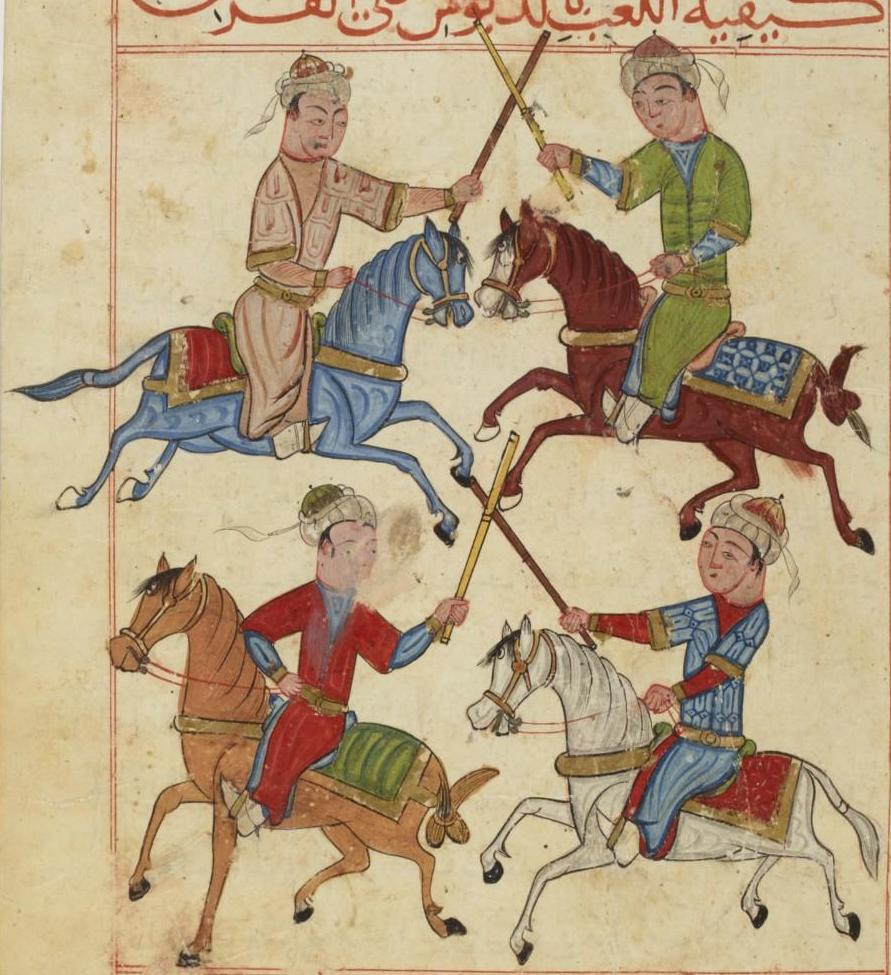
The equipment and tactics differed between the Anatolian and Balkan
Timarli Sipahi. The Anatolian Sipahi were equipped and fought as classic
horse archers, shooting while galloping, yet they weren't nomadic
cavalry and their status was similar to medium cavalry class. Balkan
Timarli Sipahis wore chainmail, rode barded horses and carried lances
and javelins, and fought as medium cavalry.
Timarli Sipahis of the classical Ottoman period usually comprised the
bulk of the army and did the majority of the fighting on the
battlefield. While infantry troops at the army's center maintained a
static battle line, the cavalry flanks constituted its mobile striking
arm. During battle, Timarli Sipahi tactics were used, opening the
conflict with skirmishes and localized skirmishes with enemy cavalry.
Regiments of Timarli Sipahis made charges against weaker or isolated
units and retreated back to the main body of troops whenever confronted
with heavy cavalry. During one regiment's retreat, other regiments of
sipahis may have charged the chasing enemy's flanks. Such tactics served
to draw enemy cavalry away from infantry support, break their cohesion,
and isolate and overwhelm them with numerical superiority. Anatolian
Sipahis had the ability to harass and provoke opposing troops with arrow
shots. More heavily equipped Balkan Sipahis carried javelins for
protection against enemy horsemen during their tactical retreats. All
cavalry flanks of the Ottoman army fought a fluid, mounted type of
warfare around the center of the army, which served as a stable pivot.
The standard equipment of Rumeli Sipahis of the classical Ottoman
period consisted of a round shield, lance, sword, javelins and plated
chainmail. Their horses were barded. Standard equipment of Anatolian
Sipahis in the same era was a round shield, composite
Turkish bow, arrows,
kilij (Turkish sword) and leather or felt armor. Besides these, Sipahis of both provinces were equipped with
bozdogan and
şeşper maces, and
aydogan,
teber and
sagir axes. Anatolian Sipahis sometimes also carried lances.
Kapikulu Sipahis (Sipahis of the Porte) were household cavalry troops
of the Ottoman Palace. They were the cavalry equivalent of the
Janissary
household infantry force. There were six divisions of Kapikulu Sipahis:
Sipahis, Silahtars, Right Ulufecis, Left Ulufecis, Right Garips and
Left Garips. All of them were paid quarterly salaries, while the Sipahis
and Silahtars were elite units.
Silahtars ("weapon
masters") were chosen from the best warriors in the Ottoman Empire. Any
Ottoman soldier who committed a significant deed on the battlefield
could be promoted to the Silahtar division, although normally members of
other mounted units, like Timarli Sipahis or one of the other less
prestigious of the four divisions of Kapikulu Sipahis, were promoted
this way. Infantry soldiers had to enlist as
serdengecti
(literally means giver of his head) and survive suicide missions to
join Silahtar division. If a janissary ever became a silahtar, other
members of the division with cavalry backgrounds despised him and former
comrade janissaries considered him a traitor, but because the position
and wealth of a silahtar was so attractive, janissaries and other
soldiers still enlisted for suicide missions.
The commander of the Silahtar division was the Silahtar
Agha.
He was the official weaponsmaster of the palace and a close personal
aide of the sultan, helping him to don his armor. He was also a liaison
officer who supervised the communication between the sultan and the
Grand Vizier.
The Sipahi division was the most prestigious of the six divisions.
Traditionally, sons of Ottoman élite (sons of Vezirs, Pashas and Beys)
served in this unit. The Sipahis and Silahtars were granted timar fiefs
near Istanbul, alongside their salaries. Ulufeci means "salaried ones",
and the members of two Ulufeci divisions weren't granted timar fiefs.
Garip means "poor ones" (because their equipment was lighter compared to
the other four divisions) and were paid salaries.
The six divisions of Sipahis represented the Kapikulu cavalry in the
same way that the Janissaries represented the Kapikulu infantry.
Kapikulu means servant of the Porte. Servants of the Porte (Kapikullari)
were legally servants of the Ottoman throne. They weren't literally
slaves, though their legal status was different from other Ottoman
people. The Sultan had the power to directly command execution of his
servants without any court verdict. Theoretically, the Sultan didn't
have this kind of power over other people, even simple peasants. If a
freeman was promoted to one of Kapikulu Sipahi divisions, he considered
automatically switched to
kul (servant) status.
Equipment of Silahtar, Sipahi and Ulufeci divisions was
plated mail, chainmail, round shield,
sword,
composite bow, arrows, lance, bozdogan mace and axe. Their equipment
was similar to Rumeli (Balkan) provincial Timarli Sipahis, though they
wore brilliant fabrics, prominent hats and bore ornamented polearms. The
two Garip divisions were more lightly equipped.
In the classical period Ottoman battle formation, Kapikulu Sipahis
were positioned back of the army as rearguards. They acted as reserve
cavalry and bodyguards of Ottoman sultan and
vezirs. Their job included to join and reinforce Ottoman army's flanks which otherwise consisted entirely provincial timariot sipahis.
The Sipahis of the Porte (Kapikulu Sipahis) were originally founded during the reign of Murad I. Although the Sipahis of the Porte were originally recruited, like the Janissaries, using the devşirme system,[3] by the time of Sultan Mehmed II, they were chosen from the Muslim land-owners within the Empire (of Turkic origin).
The Sipahi eventually became the largest of the six divisions of the
Ottoman cavalry. Their duties included mounted body-guarding for the
sultan and his family, as well as parade-riding with the sultan, having
replaced the earlier Silahtar division for this duty.
"
The Ottomans noticed the increased importance of firearms after
Hacova and changed the compositon of their armies accordingly. In
Suleyman's era, there were at least 16000 janissaries and 87000 sipahis,
in 1609, 36000 janissaries and 40000 sipahis."
Which means that many Sipahi Turkic military men joined the artillery units of the Turkic Cebeci who were recognized as Janissaries and Infantrymen and came to outnumber those of European descent within the Janissary group.
Rivalry with the Janissary corps
Since
Kapikulu Sipahis were a cavalry regiment it was well known within the
Ottoman military circles that they considered themselves a superior
stock of soldiers than
Janissaries,
who were sons of Christian peasants from the Balkans (Rumelia), and
were officially slaves bounded by various laws of the devşirme.
Whereas the Sipahis (both Tımarlı and Kapıkulu) were almost
exclusively chosen amongst ethnic Turkic landowners, they made great
strides of efforts to gain respect within the Ottoman Empire and their
political reputation depended on the mistakes of the Janissary. Minor quarrels erupted between the two units and is made evident with a
Turkmen adage, still used today within Turkey, "Atlı er başkaldırmaz", which, referring to the unruly Janissaries, translates into "Horsemen don't mutiny".
Towards the middle of the 16th century, the Janissaries had started
to gain more importance in the army, though the Sipahis remained an
important factor in the empire's bureaucracy, economy and politics, and a
crucial aspect of disciplined leadership within the army. As late as
the 17th century, the Sipahis were, together with their rivals the
Janissaries, the
de facto rulers in the early years of sultan
Murad IV's reign. In 1826, after an evident Janissary revolt the Sipahis played an important part in the
disbandment of the Janissary corps.
The Sultan received critical assistance from the loyalist Sipahi
cavalry in order to forcefully dismiss the infuriated Janissaries.
Two years later, however, they shared a similar fate when Sultan
Mahmud II
revoked their privileges and dismissed them in favor of a more modern
military structure. Unlike the Janissaries before them they retired
honorably, peacefully, and without bloodshed into new Ottoman cavalry
divisions who followed modern
military tradition
doctrines.
Older sipahis were allowed to retire and keep their tımar
lands until they died, and younger sipahis joined the Asakir-i Mansure-i
Muhammediye army as cavalry.
The Sipahis differered in quality and rank. The kapıkulu sipahis (altı bölük
halkı - "Six Divisions of Cavalry") had 6 titles: Silahdar (Weaponbearers, selected from the greatest Turkic warriors of the Ottoman Empire), Sipahi oğlanları (Sipahi Armymen
sons), left and right garips (poor men/strangers, referring to the quality of their arms and equipment), left and right
ulufeci (salaried men/stipendiaries). The silahdars were the Sultan's personal bodyguards , the
sipahi sons were in charge of protecting the nobility and the palace. They were elite soldiers and ranked above the Janissaries in terms of prestige.
Turkic infantry and artillery units classified as being part of the larger Janissary group existed in the Ottoman Empire. They were called Cebeci. When the Janissaries were dissolved following the Auspicious Incident where they experienced annihilation at the hands of the Sipahis( who by then had transformed from their origin as a medieval cavalry elite into the Ottoman equivalent of European cuirassiers and reiters and dragoons), so were the Cebeci.
Bonus Information:
Akinji or akindji (Turkish: akıncı, literally, "raider", plural: akıncılar, Turkish pronunciation: [akɯndʒɯ]) were irregular light cavalry, scout divisions (deli) and advance troops of the Ottoman Empire's military. When the pre-existing Turkic ghazis were incorporated into the Ottoman Empire's military they became known as "akıncı." They were one of the first divisions
to face the opposing military and were known for their prowess in
battle. Unpaid they lived and operated as raiders on the frontiers of
the Ottoman Empire, subsisting totally on plunder. There is a
distinction made between "akıncı" and "deli" cavalry.
In battle their main role was to act as advance troops on the front
lines and demoralise the marching opposing army by using guerrilla
tactics, and to put them in a state of confusion and shock.
[1] They could be likened to a scythe in a wheat field. They would basically
hit the enemy with arrows. When attacked in
melee, they would retreat while still shooting backwards. They could easily outrun
heavy cavalry
because they were lightly armed and their horses were bred for speed as
opposed to strength. Akinji forces carried swords, lances, shields and
battle axes as well, so that in a field of combat, they could face the
enemy first and fight melee. In some Ottoman campaigns, such as the
Battle of Krbava field, Akinji forces were the only units utilized without any need for Ottoman heavy cavalry or infantry.
Because of their mobility akinji were also used for
reconnaissance
and as a vanguard force to terrorize the local population before the
advance of the main Ottoman forces. Since they were irregular militia,
they were not bound by peace treaties, so they could raid border
villages and attack enemy garrisons, fortresses and border posts during
peace time, constantly harassing the enemy and checking the weak spots
on the rival country's defences. They would also attack trading routes
to cut enemy's supply and transportation.
Akinji forces were led by certain families. Well-known akinji families were Malkoçoğlu, Turhanlı, Ömerli, Evrenosoğlu, and Mihalli. These akinji clans were mainly composed of Turkmen tribal warriors with a leading dynasty which descended from the warrior ghazis of the first Ottoman ruler Osman I.
Since akinjis were seen as irregular militia, they did not have regular salaries as
kapikulu soldiers, or fiefs like
timarli soldiers; their only income was the booty that they plundered.
Akinjis used to wear colourful and interesting clothes to shock and
confuse their opponents. They used to wear eagle wings on their backs
(this tradition was imitated by Polish light cavalry troops later), put
on helmets with bull horns, wear coats made of leopard skin. Because of
their unusual appearance and their almost suicidally courageous battle
tactics, akinjis were nicknamed by the public as "deliler" (the
crazies), and "serdengeçtiler" (headgivers: meaning a man who does not care if he lived or
died).
Akinji system had an important role at the establishment of the
empire and fast expansion of Ottoman territories in Europe. Though the
akinji system worked excellently from the 14th to 16th centuries, it
began to decline after the 16th century. Starting with 16th-17th century
nomadic Tatar and Nogay cavalry from the Crimean Khanate
also served as akinjis for the Ottoman Empire. After the Ottoman
advance in Europe stopped, akinji warriors became unnecessary and
without the economy of plunder this warrior class slowly faded away.
After the modernization of the Ottoman army, the last few officially
recognized akinji clans were abolished. Still, last remnants of akinji
system existed till late 19th century in the Balkan provinces as the bashi-bozouk (irregular) warriors.
Akinji lifestyle with battles and plunder was a romantic fantasy for the
public and so akinjis were a popular subject in Ottoman folk literature
and music. "Serhad türküleri" or "border folk songs" is a subcategory
of Ottoman folk music dealing mostly with akinji raids and battles or
love affairs of akinji warriors, sometimes odes to fallen warriors.
Alişimin Kaşları Kara" (My Aliş had Black Eyebrows), "Estergon Kalesi"
(Castle of Esztergom) are some of the most popular examples.
- A Beautiful case of the Mongoloid Man being seen and admired as the most alpha, most masculine, most romantic, most adventurous, most noble Race of Men, desired by women, emulated by men, feared and respected by all, true men- at- arms and warriors who proudly lived by the sword and conquered the frontiers.
The Mongoloid Man is a warrior and a Conqueror. It's in his Blood. And He will conquer again. And he will make you and your people worship his Golden Skin as his Ancestors and Forefathers before Him have and he will make you submit whether you want it or not.